

-
41 begründen
I v/t1. (Behauptung etc.) give reasons for, explain; (rechtfertigen) justify, back up; (Handlung) explain; wie oder womit begründest du deinen Entschluss? how do you explain your decision?; er begründete es damit, dass... he explained ( oder justified) it by the fact that...; durch nichts zu begründen completely unfounded ( oder unjustified); etw. näher / sachlich begründen explain s.th. in more detail / in concrete terms; JUR.: ein Urteil begründen give the reasons for a verdict2. (gründen) found, establish; (Geschäft etc.) meist set up; fig. (jemandes Ruf etc.) establish; (jemandes Glück etc.) lay the foundations for ( oder of); (Haushalt) set upII v/refl be explained; wie begründet sich seine Forderung? what is the reason for his claim?* * *(anspornen) to motivate;(erläutern) to give reasons for; to explain; to justify;(gründen) to ground; to found; to establish* * *be|grụ̈n|den ptp begrü\#ndetvt1) (= Gründe anführen für) to give reasons for; (rechtfertigend) Forderung, Meinung, Ansicht to justify; Verhalten to account for; Verdacht, Behauptung to substantiatewie or womit begründete er seine Ablehnung? — how did he account for or justify his refusal?, what reason(s) did he give for his refusal?
etw eingehend/näher begründen — to give detailed/specific reasons for sth
See:* * *1) (to discuss, giving one's reasoning: She argued the point very cleverly.) argue2) (to give the facts that are able to prove or support (a claim, theory etc): He cannot substantiate his claim/accusation.) substantiate* * *be·grün·den *vt1. (Gründe angeben)eine Ablehnung/Forderung \begründen to justify a refusal/demandeine Behauptung/Klage/einen Verdacht \begründen to substantiate a claim/complaint/suspicionsein Verhalten ist einfach durch nichts zu \begründen his behaviour simply cannot be accounted for2. (gründen)▪ etw \begründen to found [or establish] stheine Firma \begründen to found [or form] a company, to establish [or set up] a businesseinen Hausstand \begründen to set up house* * *transitives Verb1) substantiate < statement, charge, claim>; give reasons for <decision, refusal, opinion>2) (gründen) found; establish <fame, reputation>* * *A. v/t1. (Behauptung etc) give reasons for, explain; (rechtfertigen) justify, back up; (Handlung) explain;womit begründest du deinen Entschluss? how do you explain your decision?;durch nichts zu begründen completely unfounded ( oder unjustified);etwas näher/sachlich begründen explain sth in more detail/in concrete terms; JUR:ein Urteil begründen give the reasons for a verdict2. (gründen) found, establish; (Geschäft etc) meist set up; fig (jemandes Ruf etc) establish; (jemandes Glück etc) lay the foundations for ( oder of); (Haushalt) set upB. v/r be explained;wie begründet sich seine Forderung? what is the reason for his claim?* * *transitives Verb1) substantiate <statement, charge, claim>; give reasons for <decision, refusal, opinion>2) (gründen) found; establish <fame, reputation>* * *(eine Behauptung) v.to explain v.to give reasons for expr. v.to back up v.to establish v.to found v.to justify v.to substantiate v. -
42 herauskehren
v/t (trennb., hat -ge-)1. sweep out ( aus of)2. fig. (betonen) emphasize; (seine Intelligenz, Überlegenheit etc.) show, display; stärker: parade; (den Experten etc.) act, play* * *he|raus|keh|renvt sep (lit)to sweep out (aus of); (fig = betonen) Bildung, Überlegenheit to paradeStrenge heráúskehren — to show one's sterner or stricter side
den reichen Mann/Vorgesetzten heráúskehren — to parade the fact that one is rich/the boss
* * *he·raus|keh·renvt▪ jdn/etw \herauskehren to play [or parade] [or act] sbden Chef/väterlichen Freund/reichen Gönner \herauskehren to play the boss/fatherly friend/rich patron* * *transitives Verb parade* * *herauskehren v/t (trennb, hat -ge-)1. sweep out (aus of)2. fig (betonen) emphasize; (seine Intelligenz, Überlegenheit etc) show, display; stärker: parade; (den Experten etc) act, play* * *transitives Verb parade -
43 Wucher
m; -s, kein Pl.; pej. profiteering; bei Geldverleih: usury; Wucher treiben practi|se (Am. -ce) usury* * *der Wucherusury; exorbitant pricing* * *Wu|cher ['vuːxɐ]m -s, no plprofiteering; (bei Geldverleih) usurydas ist doch Wúcher! — that's daylight (Brit) or highway (US) robbery!
* * *Wu·cher<-s>[ˈvu:xɐ]das ist [doch/ja] \Wucher! that's daylight [or AM highway] robbery!, that's extortionate!\Wucher treiben to profiteer, to extort* * *der; Wuchers profiteering; (mit Zinsen) usury[mit etwas] Wucher treiben — profiteer [on something]; (mit Zinsen) charge an extortionate rate/extortionate rates of interest [on something]
* * *Wucher treiben practise (US -ce) usury* * *der; Wuchers profiteering; (mit Zinsen) usury[mit etwas] Wucher treiben — profiteer [on something]; (mit Zinsen) charge an extortionate rate/extortionate rates of interest [on something]
* * *- m.usury n. -
44 haben
* * *to have; to have got* * *Ha|ben ['haːbn]nt -s, no plcredit* * *1) ((also have got) to hold or possess (something which belongs to oneself or to someone else): I have a book of yours at home; He's got your book; I don't have any books by Sir Walter Scott.) have2) ((also have got) to possess something as part of oneself or in some way connected with oneself: She has blue eyes; Our house has six rooms; I've got a pain in my stomach.) have3) (to produce: He does have some good ideas; She has had a baby.) have4) (to enjoy or suffer: We had a lovely holiday.) have5) (to think or feel: I have some doubts about this project.) have6) ((an entry on) the side of an account on which payments received are entered: Our credits are greater than our debits.) credit7) (to feel: He took pleasure/pride / a delight / an interest in his work.) take* * *Ha·ben<-s>[ˈha:bn̩]nt kein pl credit* * *das; Habens, Haben (Kaufmannsspr.) credit; s. auch Soll 1)* * *haben; hat, hatte, hat gehabtA. v/tdie Erlaubnis/das Recht haben zu (+inf) have permission/the right to (+inf)woher hast du das? where did you get that (from)?; (Nachricht etc) where did you hear that?;kann ich mal das Salz haben? umg could I have the salt, please?;da hast du’s! umg there you are;für ein Bier bin ich immer zu haben fig I’m always game for a beer;wer hat, der hat! umg, hum oder iron if you’ve got it, flaunt it;was man hat, das hat man a bird in the hand (is worth two in the bush) sprichw, possession is nine points ( oder tenths) of the law;2. (Eigenschaft, Krankheit, Unfall, Zustand etc) have (got);welche Farbe haben seine Augen? what colo(u)r are his eyes?;Glück/Pech haben be lucky/unlucky;einen Motorschaden haben have engine trouble;es im Hals haben umg have a sore throat;er hat Geburtstag it’s his birthday;gestern hatten wir Regen we had rain yesterday, it rained here yesterday;hast du heute Dienst/Schule/frei? are you on duty/have you got school/are you off today?;Mathe haben wir bei Herrn Hanel Mr Hanel takes us for math(s), US We have math with Mr. Hanel;in der vierten Stunde haben wir Physik we’ve got physics (in the) fourth period ( oder lesson);in Erdkunde haben wir gerade China we’re doing China in geography at the moment;da hast du’s! (siehst du?) I told you so3. (fühlen):Angst/Durst etchaben be afraid/thirsty etc;Schmerzen haben be in pain, have a pain sg;hast du was? umg is something the matter?der Fisch hat zwei Kilo/zwanzig Zentimeter the fish weighs two kilos/is 20 centimetres (US -ers) long;ein Kilogramm hat tausend Gramm there are a thousand grams in a kilogram;der Verein hat 20 Mitglieder the club has 20 members;Deutschland hat 16 Bundesländer Germany is made up of 16 states5. Zeitangabe:wir haben (jetzt) April/genau sechs Uhr/Montag, den 7.11. it’s April/six o’clock precisely/Monday 7 November (US November 7th);wie viel Uhr haben wir? what time is it?;in New York haben sie jetzt Nacht it’s nighttime in New York at the moment6. umg als Brauch, Mode:das hat man jetzt so/wieder/nicht mehr Brauch: it’s what we do nowadays/we’ve gone back to doing it this way/we don’t do it like that any more; Mode: it’s the fashion/back in fashion/out of fashion now7. unpers, besonders südd, österr, schweiz:es hat there is/are;wie viel Grad hat es (draußen)? what’s the temperature (outside)?;dieses Jahr hat es wenig Pilze there aren’t very many mushrooms this year;was hat’s bei euch für Wetter? what sort of weather are you having?, what’s the weather like where you are?hast du den Abwasch schon? have you finished washing up (yet)? (US finished the dishes [yet]?);hat man den Dieb schon? have they caught the thief yet?;das werden wir gleich haben! no problem; bei Reparatur etc: we’ll have that done ( oder fixed) in no time;ich hab’s bald (I’m) nearly finished;hast du’s bald? ungeduldig: how much longer are you going to take?;ich hab’s oderjetzt hab ich’s! (I’ve) got it!;hast du schon Nachricht von ihr? - Nein, hab ich nicht! have you heard from her yet? – No, I haven’t;was hast du in Mathe? Note: what did you get in math(s)?;dich hat’s wohl! oder9. mit es und adj:du hast’s gut you’ve got it good umg, everything’s fine for you;ich hab’s eilig I’m in a hurry;schön habt ihr es hier it’s lovely for you here;jetzt haben wir’s nicht mehr weit not far to go now;sie will es so haben that’s the way she wants it;wie hätten Sie’s denn gern(e)? how would you like it?10. mit zu und inf:nichts/viel zu essen haben have nothing/a lot to eat;einen Brief zu schreiben haben have a letter to write;ich habe noch Geld von ihr zu bekommen I still have some money to come ( oder coming) from her, she still owes me some money;sagen/verbieten it’s not up to you to tell people/me what to do/what not to do;was hast du hier zu suchen? (verschwinde!) what are you doing here?11. mit Verben:wo hast du dein Auto (stehen)? where did you leave your car?;etwas nicht haben können umg (nicht ertragen, mögen) not be able to stand sth;das kann ich nicht haben! I can’t stand it; auf etwas Spezifisches reagierend: I’m not standing for that12. mit präp:eine Frau/einen Italiener als oderzum Chef haben have a woman/an Italian as one’s boss;ich habe an ihm einen Freund I have a friend in him;ich merke erst jetzt, was ich an ihr gehabt habe it’s only now that I can appreciate what I had in her (bzw what an asset oder a treasure oder a wonderful woman she was);er hat etwas Überspanntes an sich there’s something eccentric about him;das haben Katzen so an sich that’s just the way cats are;was hat es damit auf sich? what’s it all about?, what does it mean?;es hat nichts auf sich (damit) it’s nothing;es hat viel für sich there’s a lot to be said for it;was hast du gegen ihn? what have you got against him?;ich hab nichts gegen Raucher I have nothing against people who smoke;jetzt hätte ich nichts gegen ein Nickerchen I wouldn’t mind a little nap now;sie hatte alle gegen sich she had everyone against her;hinter sich (dat)das hätten wir hinter uns well, that’s that;haben have had a tiring day;die fünfzig hinter sich (dat)haben be over 50, be the wrong side of 50;der Likör hat es in sich it’s a pretty strong liqueur;hat sie was mit ihm? umg is there something going on between them?;ich hab’s nicht (so) mit ihr/mit Pizza umg I don’t like ( oder get on [US along] with) her/I don’t go for ( oder I’m not into) pizza;keine Eile there’s (still) plenty of time for that, there’s no hurry for that (yet);unter sich (dat)haben be in charge of; (befehligen) command;er hat viel von seinem Vater he takes after his father;haben wir gar nichts mehr von dir we’ll never see anything of you;wir haben nicht viel von unserem Urlaub gehabt we didn’t get much out of our holiday;was habe ich davon? umg what do I get out of it?, what for?;das hast du jetzt davon! umg see?;das haben wir noch vor uns that’s still to come, we’ve still got that to come;Sie wissen wohl nicht, wen Sie vor sich haben? you obviously don’t know who(m) you’re addressing;B. v/i mit zu und inf:zu arbeiten/gehorchen etcich hab zu tun I’ve got things to do;du hast gut lachen/reden you may well laugh/talkC. v/r umg:hab dich nicht so! don’t make such a fuss; (führ dich nicht so auf) don’t take (US carry) on like that;der hat sich vielleicht mit seinen Büchern! he makes such a fuss about his books!;und damit hat sich’s! and that’s that, and that’s final;es hat sich was damit it’s not that easy;hat sich was! some hope!D. v/aux have;hast du ihn gesehen? have you seen him?;ich habe bis jetzt gelesen I have been reading up to now;er hat uns gestern besucht he visited us yesterday;du hättest es mir sagen sollen you should have told me;er hätte es machen können he could have done it* * *das; Habens, Haben (Kaufmannsspr.) credit; s. auch Soll 1)* * *v.(§ p.,pp.: hatte, gehabt)= to have v.(§ p.,p.p.: had)to have got to expr. -
45 laden
m; -s, Läden1. shop, bes. Am. store2. umg. (Unternehmen) business; den Laden schmeißen run the show; fig. (es schaffen) swing it; den Laden dichtmachen shut (Am. close) up shop; (scheitern) auch fold; der Laden läuft geschäftlich: business is good; allg. everything’s hunky-dory; wie ich den Laden (so) kenne if you ask me; das ist ein müder Laden they’re a pretty lame ( oder feeble) outfit3. umg., fig. (Sache) business; den Laden hinschmeißen umg. give up the whole thing, chuck (Am. pack) it in* * *das Ladenlading; loading;der Ladenstore; retail outlet; shop* * *La|den I ['laːdn]m -s, -['lɛːdn] (= Geschäft) shop (esp Brit), store (US); (inf = Betrieb, Unternehmung) outfit (inf)der Láden läuft (inf) — business is good
es wird eine Zeit dauern, bis der Láden läuft (inf) — it will be some time before the business gets going or gets off the ground
dann kann er den Láden zumachen or dichtmachen (inf) — he might as well shut up shop (and go home) (inf)
den Láden schmeißen (inf) — to run the show
IIden (ganzen) Láden hinschmeißen (inf) — to chuck the whole thing in (inf)
m -s, - or -(= Fensterladen) shutter* * *1) (to make or become filled with electricity: Please charge my car battery.) charge2) (to make (a person) responsible for (a task etc): He was charged with seeing that everything went well.) charge3) (to put ammunition into (a gun): He loaded the revolver and fired.) load4) (a place where goods are sold: a baker's shop.) shop5) (a shop: The post office here is also the village store; a department store.) store* * *La·den1<-s, Läden>[ˈla:dn̩, pl ˈlɛ:dn̩]mder \Laden läuft (fam) business is going well3.notfalls können wir den \Laden alleine schmeißen if need be, we can run the show on our ownLa·den2<-s, Läden o ->[ˈla:dn̩, pl ˈlɛ:dn̩]m shutterLa·den3[ˈla:dn̩]nt TECH, INFORM booting, loadingautomatisches \Laden autoload* * *der; Ladens, Läden1) shop; store (Amer.)2) (ugs.): (Unternehmung)wie ich den Laden kenne — (fig.) if I know how things go in this outfit (coll.)
den Laden schmeißen — manage or handle everything with no problem
Laden — (FensterLaden) shutter
* * *laden1; lädt, lud, hat geladenA. v/t1. load;das Schiff hat Getreide geladen the ship has taken on a load of grain; Zustand: the ship is carrying a cargo of grain;der LKW hat Kies geladen the truck has been loaded with gravel; Zustand: the truck has a load of gravel;die Kisten aus dem Wagen laden unload the crates from the car ( Lieferwagen: van, Pferdewagen: cart);die Säcke vom Lkw auf Lasttiere laden load the sacks from the truck onto pack animals;die Atmosphäre war mit Spannung/Hass geladen the atmosphere was charged with tension/filled with hatred5. (Gewehr etc) loadB. v/i1. load;der LKW hat schwer geladen the truck has a heavy load;schwer geladen haben umg, hum be plastered ( oder tanked up, besonders US loaded), be three sheets to the wind, Br auch have had one over the eight obs2. IT load;1. geh (einladen) invite2. JUR:vor Gericht laden summon before a court; unter Strafandrohung: subpoena* * *der; Ladens, Läden1) shop; store (Amer.)2) (ugs.): (Unternehmung)wie ich den Laden kenne — (fig.) if I know how things go in this outfit (coll.)
den Laden schmeißen — manage or handle everything with no problem
Laden — (FensterLaden) shutter
* * *¨-- m.joint (slang) n.shop n.store n. ¨-- n.downloading n.loading n. -
46 ohne
I Präp. (+ Akk)1. without; (ausschließlich) auch not counting, excluding; ein Topf ohne Deckel a pan without a lid; wir sind momentan ohne Auto we are without a car ( oder haven’t got a car) at the moment; sie ging ohne Hut / Schuhe she wasn’t wearing a hat / any shoes; er kam ohne die Kinder he came without (hum. minus) the children; wir sind fünf ohne die Kinder we’re five not counting ( oder minus) the children; ohne mich! (you can) count me out, I’m not having anything to do with it; ohne Zweifel undoubtedly; ohne seine Schuld through no fault of his (own); ohne mein Wissen without my knowledge ( oder knowing), unbeknown to me2. ohne weiteres just like that; (mühelos) auch without any (great) effort; (ohne Probleme) without any problems ( oder difficulty); das machen wir ohne weiteres we’ll manage that easily; das kannst du ohne weiteres akzeptieren (bedenkenlos) you needn’t worry ( oder hesitate) about accepting that; du kannst ihr ohne weiteres glauben you need have no hesitation in believing her; das geht nicht so ohne weiteres that’s not that simple3. umg., allein stehend: sie ist ( gar) nicht (so) ohne there’s more to her than you might think; das ist gar nicht so ohne it’s not bad, you know; (ist schwieriger etc., als man denkt) there’s more to it than meets the eye, it’s not that simple; ich schlafe / schwimme am liebsten ohne I prefer to sleep / swim in the nude; du brauchst einen Ausweis, ohne lassen sie dich nicht rein you need a pass, they won’t let you in without (one); oben 1II Konj.: ohne dass, ohne zu (+ Inf.) without (+ Ger.) ohne dass ich ihn gesehen hatte without (my) having seen him; sie ging, ohne ein Wort zu sagen she left without saying a word; ohne auch nur zu lächeln without so much as a smile* * *devoid (Adj.); without (Präp.); ex (Präp.); minus (Präp.)* * *oh|ne ['oːnə]1. prep +acc1) withoutóhne (die) Vororte hat die Stadt 100.000 Einwohner — excluding or not including or not counting the suburbs, the city has 100,000 inhabitants
óhne mich! — count me out!
óhne ihn wären wir immer noch dort — without him or but for him or if it weren't for him we'd still be there
óhne etw sein — to be without or minus (inf) sth
óhne Auto — without a or one's car
óhne Mehrwertsteuer — excluding VAT
óhne einen or jeden Pfennig Geld — penniless, without a penny or dime (US), without two ha'pennies to rub together
ich rauche immer óhne (inf) — I always smoke untipped cigarettes
2)ich hätte das óhne Weiteres getan — I'd have done it without a second thought, I'd have done it without thinking twice about it
so etwas kann man óhne Weiteres sagen — it's quite all right to say that
so etwas kann man in feiner Gesellschaft nicht óhne Weiteres sagen — you can't say that sort of thing in polite society
ich würde óhne Weiteres sagen, dass... — I would not hesitate to say that...
er hat den Brief óhne Weiteres unterschrieben — he signed the letter straight away or just like that
das Darlehen ist óhne Weiteres bewilligt worden — the loan was granted straight away or without any bother or problem
ihm können Sie óhne Weiteres vertrauen — you can trust him implicitly
das ist nicht ( so) óhne Weiteres möglich — it can't be done just like that
dem Kerl kann man nicht óhne Weiteres glauben — you can't just believe anything or whatever that guy says
das kann man nicht óhne Weiteres voraussetzen — you can't just assume that automatically
diesem Vorschlag kann ich nicht óhne Weiteres zustimmen — I can't just accept the suggestion without question
du kannst doch nicht so óhne Weiteres aus der Schule weglaufen — you can't just run away from school like that
2. conjóhne zu zögern — without hesitating
óhne dass ich ihn darum gebeten hätte, kam er mich besuchen — he came to see me without my (Brit) or me inviting him
wer redet, óhne gefragt zu sein... — anybody who talks without being asked...
* * *1) ((with of) free from or lacking: That is devoid of any meaning.) devoid2) ((with of or from) without or no longer having (especially something or someone unpleasant etc): She is free from pain now; free of charge.) free4) ((with of) lacking entirely: a statement void of meaning.) void5) (in the absence of; not having: They went without you; I could not live without him; We cannot survive without water.) without6) (not: He drove away without saying goodbye; You can't walk along this street without meeting someone you know.) without* * *oh·ne[ˈo:nə]1. (nicht versehen mit)▪ \ohne etw without sth\ohne Auto without a car\ohne Geld without any moneysie ist \ohne Mantel gekommen she came without a coatwir sind noch \ohne weitere Informationen we still don't have any more informationsei \ohne Furcht! don't be afraid!mein Versuch ist \ohne Erfolg geblieben my attempt was unsuccessfulsie ist \ohne jede Begabung she lacks [or is without] any talenter ist ein Mensch \ohne jeglichen Humor he's a person totally lacking [or without any sense of] humour\ohne dich wäre ich immer noch ohne Kleiderschrank if it weren't for you I'd still be without a wardrobe\ohne Appetit sein to have no appetite\ohne einen [o jeden] Cent [Geld] penniless, without a penny [or AM dime]\ohne Schutz unprotected2. (nicht eingerechnet)▪ \ohne etw excluding [or not including] [or not counting] sth\ohne die Vororte hat die Stadt 300.000 Einwohner the city has 300,000 inhabitants excluding [or not including] [or not counting] the suburbsder Preis versteht sich \ohne Mehrwertsteuer the price does not include VAT3. (elliptisch)er raucht immer \ohne he always smokes untipped cigarettessie badet am liebsten \ohne she prefers to bathe in the nudewenn du keinen Zucker hast, trinke ich den Kaffee auch \ohne if you haven't got any sugar, I can have my coffee withoutdu brauchst eine Eintrittskarte, \ohne kommst du nicht rein you need a ticket, they won't let you in without one4. (nicht mit jdm)▪ \ohne jdn without sb\ohne mich! count me out!\ohne Erben sterben to die heirless\ohne Kinder/Nachwuchs childless/without offspring5.die Fragen waren gar nicht so \ohne the questions were not that easysie ist gar nicht so \ohne she's quite something, she's got what it takesII. konj▪ \ohne etw zu tun without doing sthsie nahm sich ein Stück Kuchen, \ohne vorher zu fragen she took a piece of cake without askingwer redet, \ohne gefragt zu sein... anybody who talks without being asked...\ohne dass ich ihn darum gebeten hätte, hat er mir geholfen he helped me without my [or me] asking\ohne zu zögern without hesitating* * *1.1) withoutohne mich! — [you can] count me out!
ein Mann ohne jeglichen Humor — a man totally lacking in humour or without any sense of humour
2) (mit Auslassung des Akkusativs)ich rauche nur ohne — I only smoke untipped or filterless cigarettes
er/sie ist [gar] nicht [so] ohne — (ugs.) he's/she's quite something; s. auch oben 3)
3)ohne weiteres — (leicht, einfach) easily; (ohne Einwand) readily
das traue ich ihm ohne weiteres zu — I can quite or easily believe he's capable of that
4) excluding2.er nahm Platz, ohne dass er gefragt hätte — he sat down without asking
ohne zu zögern — without hesitating; without hesitation
* * *A. präp (+akk)1. without; (ausschließlich) auch not counting, excluding;ein Topf ohne Deckel a pan without a lid;sie ging ohne Hut/Schuhe she wasn’t wearing a hat/any shoes;er kam ohne die Kinder he came without (hum minus) the children;wir sind fünf ohne die Kinder we’re five not counting ( oder minus) the children;ohne mich! (you can) count me out, I’m not having anything to do with it;ohne Zweifel undoubtedly;ohne seine Schuld through no fault of his (own);ohne mein Wissen without my knowledge ( oder knowing), unbeknown to me2.ohne Weiteres just like that; (mühelos) auch without any (great) effort; (ohne Probleme) without any problems ( oder difficulty);das machen wir ohne Weiteres we’ll manage that easily;das kannst du ohne Weiteres akzeptieren (bedenkenlos) you needn’t worry ( oder hesitate) about accepting that;du kannst ihr ohne Weiteres glauben you need have no hesitation in believing her;das geht nicht so ohne Weiteres that’s not that simplesie ist (gar) nicht (so) ohne there’s more to her than you might think;das ist gar nicht so ohne it’s not bad, you know; (ist schwieriger etc, als man denkt) there’s more to it than meets the eye, it’s not that simple;ich schlafe/schwimme am liebsten ohne I prefer to sleep/swim in the nude;du brauchst einen Ausweis, ohne lassen sie dich nicht rein you need a pass, they won’t let you in without (one); → oben 1B. konj:ohne dass, ohne zu (+inf) without (+ger)ohne dass ich ihn gesehen hatte without (my) having seen him;sie ging, ohne ein Wort zu sagen she left without saying a word;ohne auch nur zu lächeln without so much as a smile* * *1.1) withoutohne mich! — [you can] count me out!
ein Mann ohne jeglichen Humor — a man totally lacking in humour or without any sense of humour
ich rauche nur ohne — I only smoke untipped or filterless cigarettes
er/sie ist [gar] nicht [so] ohne — (ugs.) he's/she's quite something; s. auch oben 3)
3)ohne weiteres — (leicht, einfach) easily; (ohne Einwand) readily
das traue ich ihm ohne weiteres zu — I can quite or easily believe he's capable of that
4) excluding2.er nahm Platz, ohne dass er gefragt hätte — he sat down without asking
ohne zu zögern — without hesitating; without hesitation
* * *präp.without prep. -
47 haben;
hat, hatte, hat gehabtI v/t1. (Arbeit, Erfahrung, Geld, Zeit etc.) have (got); (besitzen) auch possess, own; haben wollen (wünschen) want (to have); (fordern) want, demand; die Erlaubnis / das Recht haben zu (+ Inf.) have permission / the right to (+ Inf.) woher hast du das? where did you get that (from)?; (Nachricht etc.) where did you hear that?; kann ich mal das Salz haben? umg. could I have the salt, please?; da hast du’s! umg. there you are; zu haben Ware: available; Haus: for sale; ist es noch zu haben? auch is it still going (Am. up for sale)?; sie ist noch zu haben umg., fig. she’s not spoken for, she’s (still) available, she’s (still) single; dafür bin ich nicht zu haben fig. you can count me out; generell: that’s not (really) my thing; für ein Bier bin ich immer zu haben fig. I’m always game for a beer; er hat schon viele Frauen gehabt umg., euph. he’s already had a lot of women; wer hat, der hat! umg., hum. oder iro. if you’ve got it, flaunt it; was man hat, das hat man a bird in the hand (is worth two in the bush) Sprichw., possession is nine points ( oder tenths) of the law; er hat’s ja! umg. he can afford it; haste2. (Eigenschaft, Krankheit, Unfall, Zustand etc.) have (got); welche Farbe haben seine Augen? what colo(u)r are his eyes?; Glück / Pech haben be lucky / unlucky; einen Motorschaden haben have engine trouble; es im Hals haben umg. have a sore throat; er hat Geburtstag it’s his birthday; gestern hatten wir Regen we had rain yesterday, it rained here yesterday; hast du heute Dienst / Schule / frei? are you on duty / have you got school / are you off today?; Mathe haben wir bei Herrn Hanel Mr Hanel takes us for math(s), Am. We have math with Mr. Hanel; in der vierten Stunde haben wir Physik we’ve got physics (in the) fourth period ( oder lesson); in Erdkunde haben wir gerade China we’re doing China in geography at the moment; da hast du’s! (siehst du?) I told you so3. (fühlen): Angst / Durst etc. haben be afraid / thirsty etc.; Schmerzen haben be in pain, have a pain Sg.; was hast du denn? umg. what’s up ( oder wrong)?; hast du was? umg. is something the matter?4. (bestehen aus) comprise, be made up of, consist of; (wiegen) weigh; (messen) measure; der Fisch hat zwei Kilo / zwanzig Zentimeter the fish weighs two kilos / is 20 centimet|res (Am. -ers) long; ein Kilogramm hat tausend Gramm there are a thousand grams in a kilogram; der Verein hat 20 Mitglieder the club has 20 members; Deutschland hat 16 Bundesländer Germany is made up of 16 states5. Zeitangabe: wir haben ( jetzt) April / genau sechs Uhr / Montag, den 7.11. it’s April / six o’clock precisely / Monday 7 November (Am. November 7th); wie viel Uhr haben wir? what time is it?; in New York haben sie jetzt Nacht it’s nighttime in New York at the moment6. umg. als Brauch, Mode: das hat man jetzt so / wieder / nicht mehr Brauch: it’s what we do nowadays / we’ve gone back to doing it this way / we don’t do it like that any more; Mode: it’s the fashion / back in fashion / out of fashion now7. unpers., bes. südd., österr., schw.: es hat there is / are; wie viel Grad hat es ( draußen)? what’s the temperature (outside)?; dieses Jahr hat es wenig Pilze there aren’t very many mushrooms this year; was hat’s bei euch für Wetter? what sort of weather are you having?, what’s the weather like where you are?8. umg. (beendet, bekommen, gemacht etc. haben): hast du den Abwasch schon? have you finished washing up (yet)? (Am. finished the dishes [yet]?); hat man den Dieb schon? have they caught the thief yet?; hab ich dich endlich! (erwischt) got you!, gotcha! umg.; das werden wir gleich haben! no problem; bei Reparatur etc.: we’ll have that done ( oder fixed) in no time; ich hab’s bald (I’m) nearly finished; hast du’s bald? ungeduldig: how much longer are you going to take?; ich hab’s oder jetzt hab ich’s! (I’ve) got it!; hast du schon Nachricht von ihr? - Nein, hab ich nicht! have you heard from her yet? - No, I haven’t; was hast du in Mathe? Note: what did you get in math(s)?; dich hat’s wohl! oder hat’s dich jetzt ganz? (spinnst du?) you must be mad (Am. crazy)!, you’re off your head9. mit es und Adj.: du hast’s gut you’ve got it good umg., everything’s fine for you; ich hab’s eilig I’m in a hurry; schön habt ihr es hier it’s lovely for you here; jetzt haben wir’s nicht mehr weit not far to go now; sie will es so haben that’s the way she wants it; wie hätten Sie’s denn gern(e)? how would you like it?10. mit zu und Inf.: nichts / viel zu essen haben have nothing / a lot to eat; einen Brief zu schreiben haben have a letter to write; ich habe noch Geld von ihr zu bekommen I still have some money to come ( oder coming) from her, she still owes me some money; du hast hier / mir ( gar) nichts zu befehlen oder sagen / verbieten it’s not up to you to tell people / me what to do / what not to do; was hast du hier zu suchen? (verschwinde!) what are you doing here?11. mit Verben: wo hast du dein Auto ( stehen)? where did you leave your car?; einen Läufer vor dem Bett ( liegen) haben have a rug in front of the bed; etw. nicht haben können umg. (nicht ertragen, mögen) not be able to stand s.th.; das kann ich nicht haben! I can’t stand it; auf etwas Spezifisches reagierend: I’m not standing for that12. mit Präp.: eine Frau / einen Italiener als oder zum Chef haben have a woman / an Italian as one’s boss; ich habe an ihm einen Freund I have a friend in him; ich merke erst jetzt, was ich an ihr gehabt habe it’s only now that I can appreciate what I had in her (bzw. what an asset oder a treasure oder a wonderful woman she was); er hat etwas Überspanntes an sich there’s something eccentric about him; das haben Katzen so an sich that’s just the way cats are; was hat es damit auf sich? what’s it all about?, what does it mean?; es hat nichts auf sich ( damit) it’s nothing; bei sich haben (Geld, Ausweis etc.) have on ( oder with) one; (Person) have with one; es hat viel für sich there’s a lot to be said for it; was hast du gegen ihn? what have you got against him?; ich hab nichts gegen Raucher I have nothing against people who smoke; jetzt hätte ich nichts gegen ein Nickerchen I wouldn’t mind a little nap now; sie hatte alle gegen sich she had everyone against her; hinter sich (Dat) haben (etw.) have been through s.th.; (jemanden) have s.o. behind one; das hätten wir hinter uns well, that’s that; einen anstrengenden Tag hinter sich (Dat) haben have had a tiring day; die fünfzig hinter sich (Dat) haben be over 50, be the wrong side of 50; die Sache hat es in sich umg. it’s not easy, it’s a tough one; der Likör hat es in sich it’s a pretty strong liqueur; hat sie was mit ihm? umg. is there something going on between them?; hat er es schon mit ihr gehabt? umg. has he had it ( oder done it) with her?; ich hab’s nicht (so) mit ihr / mit Pizza umg. I don’t like ( oder get on [Am. along] with) her / I don’t go for ( oder I’m not into) pizza; die hat’s vielleicht mit i-r Ordnung! umg. she’s got a real thing about tidiness; damit hat es ( noch) Zeit oder keine Eile there’s (still) plenty of time for that, there’s no hurry for that (yet); unter sich (Dat) haben be in charge of; (befehligen) command; er hat viel von seinem Vater he takes after his father; er hat etwas von einem Versager etc. he’s a bit of a quitter; wenn du so viel arbeitest, haben wir gar nichts mehr von dir we’ll never see anything of you; wir haben nicht viel von unserem Urlaub gehabt we didn’t get much out of our holiday; was habe ich davon? umg. what do I get out of it?, what for?; das hast du jetzt davon! umg. see?; das hast du davon, wenn... umg. that’s what you get when... ( oder from [+ Ger.]); das haben wir noch vor uns that’s still to come, we’ve still got that to come; Sie wissen wohl nicht, wen Sie vor sich haben? you obviously don’t know who(m) you’re addressing; jemanden zum Feind / Freund haben have s.o. as an enemy / friend; Anschein, Auge 1, gehabt, gern etc.II v/i mit zu und Inf.: zu arbeiten / gehorchen etc. haben (müssen) have to work / obey etc.; ich hab zu tun I’ve got things to do; du hast gut lachen / reden you may well laugh / talkIII v/refl umg.: hab dich nicht so! don’t make such a fuss; (führ dich nicht so auf) don’t take (Am. carry) on like that; der hat sich vielleicht mit seinen Büchern! he makes such a fuss about his books!; und damit hat sich’s! and that’s that, and that’s final; es hat sich was damit it’s not that easy; hat sich was! some hope!IV Hilfsv. have; hast du ihn gesehen? have you seen him?; ich habe bis jetzt gelesen I have been reading up to now; er hat uns gestern besucht he visited us yesterday; du hättest es mir sagen sollen you should have told me; er hätte es machen können he could have done it -
48 Last (1)
1. Любой потребитель электроэнергии
электрическая нагрузка
Любой приемник(потребитель)электрической энергии в электрической цепи 1)
[БЭС]
нагрузка
Устройство, потребляющее мощность
[СТ МЭК 50(151)-78]EN
load (1), noun
device intended to absorb power supplied by another device or an electric power system
[IEV number 151-15-15]FR
charge (1), f
1) Иными словами (электрическая) нагрузка, это любое устройство или группа устройств, потребляющих электрическую энергию (электродвигатель, электролампа, электронагреватель и т. д.)
dispositif destiné à absorber de la puissance fournie par un autre dispositif ou un réseau d'énergie électrique
[IEV number 151-15-15]
[Интент]
Термимн нагрузка удобно использовать как обощающее слово.
В приведенном ниже примере термин нагрузка удачно используется для перевода выражения any other appliance:
Make sure that the power supply and its frequency are adapted to the required electric current of operation, taking into account specific conditions of the location and the current required for any other appliance connected with the same circuit.
Ток, напряжение и частота источника питания должны соответствовать параметрам агрегата с учетом длины и способа прокладки питающей линии, а также с учетом другой нагрузки, подключенной к этой же питающей линии.
[Перевод Интент]
... подключенная к трансформатору нагрузка
[ ГОСТ 12.2.007.4-75*]
Поскольку приемник электрической энергии это любой аппарат, агрегат, механизм, предназначенный для преобразования электрической энергии в другой вид энергии [ПУЭ], то термин нагрузка может характеризовать электроприемник с точки зрения тока, сопротивления или мощности.
2. Потребитель энергоэнергии, с точки зрения потребляемой мощности
нагрузка
Мощность, потребляемая устройством
[СТ МЭК 50(151)-78]EN
load (2), noun
power absorbed by a load
[IEV number 151-15-16]FR
charge (2), f
puissance absorbée par une charge
Source: 151-15-15
[IEV number 151-15-16]
При проектировании электроснабжения энергоемких предприятий следует предусматривать по согласованию с заказчиком и с энергоснабжающей организацией регулирование электрической нагрузки путем отключения или частичной разгрузки крупных электроприемников, допускающих без значительного экономического ущерба для технологического режима перерывы или ограничения в подаче электроэнергии.
[СН 174-75 Инструкция по проектированию электроснабжения промышленных предприятий]
В настоящее время характер коммунально-бытовой нагрузки кардинально изменился в результате широкого распространения новых типов электроприемников (микроволновых печей, кондиционеров, морозильников, люминесцентных светильников, стиральных и посудомоечных машин, персональных компьютеров и др.), потребляющих из питающей сети наряду с активной мощностью (АМ) также и значительную реактивную мощность (РМ).Недопустимые, нерекомендуемые
Тематики
- электроснабжение в целом
- электротехника, основные понятия
Классификация
>>>Близкие понятия
Действия
- аварийное отключение нагрузки
- аварийный сброс нагрузки
- включение нагрузки
- защитное отключение нагрузки
- ограничение допустимых нагрузок
- отключение нагрузки
- отключение неприоритетных нагрузок
- передача нагрузки с одной системы шин на другую
- питание нагрузки
- регулирование электрической нагрузки
Синонимы
Сопутствующие термины
- нагрузки жилых зданий
- нагрузки общественных зданий
- территориальное расположение нагрузок
- ток нагрузки
- токовая нагрузка
- характер коммунально-бытовой наргрузки
- характер нагрузки (индуктивный, емкостной)
EN
DE
FR
Немецко-русский словарь нормативно-технической терминологии > Last (1)
-
49 Leistungsabgabe (2)
1. Любой потребитель электроэнергии
электрическая нагрузка
Любой приемник(потребитель)электрической энергии в электрической цепи 1)
[БЭС]
нагрузка
Устройство, потребляющее мощность
[СТ МЭК 50(151)-78]EN
load (1), noun
device intended to absorb power supplied by another device or an electric power system
[IEV number 151-15-15]FR
charge (1), f
1) Иными словами (электрическая) нагрузка, это любое устройство или группа устройств, потребляющих электрическую энергию (электродвигатель, электролампа, электронагреватель и т. д.)
dispositif destiné à absorber de la puissance fournie par un autre dispositif ou un réseau d'énergie électrique
[IEV number 151-15-15]
[Интент]
Термимн нагрузка удобно использовать как обощающее слово.
В приведенном ниже примере термин нагрузка удачно используется для перевода выражения any other appliance:
Make sure that the power supply and its frequency are adapted to the required electric current of operation, taking into account specific conditions of the location and the current required for any other appliance connected with the same circuit.
Ток, напряжение и частота источника питания должны соответствовать параметрам агрегата с учетом длины и способа прокладки питающей линии, а также с учетом другой нагрузки, подключенной к этой же питающей линии.
[Перевод Интент]
... подключенная к трансформатору нагрузка
[ ГОСТ 12.2.007.4-75*]
Поскольку приемник электрической энергии это любой аппарат, агрегат, механизм, предназначенный для преобразования электрической энергии в другой вид энергии [ПУЭ], то термин нагрузка может характеризовать электроприемник с точки зрения тока, сопротивления или мощности.
2. Потребитель энергоэнергии, с точки зрения потребляемой мощности
нагрузка
Мощность, потребляемая устройством
[СТ МЭК 50(151)-78]EN
load (2), noun
power absorbed by a load
[IEV number 151-15-16]FR
charge (2), f
puissance absorbée par une charge
Source: 151-15-15
[IEV number 151-15-16]
При проектировании электроснабжения энергоемких предприятий следует предусматривать по согласованию с заказчиком и с энергоснабжающей организацией регулирование электрической нагрузки путем отключения или частичной разгрузки крупных электроприемников, допускающих без значительного экономического ущерба для технологического режима перерывы или ограничения в подаче электроэнергии.
[СН 174-75 Инструкция по проектированию электроснабжения промышленных предприятий]
В настоящее время характер коммунально-бытовой нагрузки кардинально изменился в результате широкого распространения новых типов электроприемников (микроволновых печей, кондиционеров, морозильников, люминесцентных светильников, стиральных и посудомоечных машин, персональных компьютеров и др.), потребляющих из питающей сети наряду с активной мощностью (АМ) также и значительную реактивную мощность (РМ).Недопустимые, нерекомендуемые
Тематики
- электроснабжение в целом
- электротехника, основные понятия
Классификация
>>>Близкие понятия
Действия
- аварийное отключение нагрузки
- аварийный сброс нагрузки
- включение нагрузки
- защитное отключение нагрузки
- ограничение допустимых нагрузок
- отключение нагрузки
- отключение неприоритетных нагрузок
- передача нагрузки с одной системы шин на другую
- питание нагрузки
- регулирование электрической нагрузки
Синонимы
Сопутствующие термины
- нагрузки жилых зданий
- нагрузки общественных зданий
- территориальное расположение нагрузок
- ток нагрузки
- токовая нагрузка
- характер коммунально-бытовой наргрузки
- характер нагрузки (индуктивный, емкостной)
EN
DE
FR
Немецко-русский словарь нормативно-технической терминологии > Leistungsabgabe (2)
-
50 Lastwiederkehr, f
восстановление нагрузки
Процесс увеличения нагрузки потребителя или энергетической системы после восстановления напряжения
[ОАО РАО "ЕЭС России" СТО 17330282.27.010.001-2008]EN
load recovery
after voltage recovery, the increase in load of a consumer or system, at a rate depending on the characteristics of that load
[IEV ref 604-01-35]FR
reprise de la charge
après le retour de la tension, accroissement de la charge d'un usager ou d'un réseau plus ou moins rapide selon les caractéristiques propres à la charge
[IEV ref 604-01-35]Тематики
EN
DE
- Lastwiederkehr, f
FR
Немецко-русский словарь нормативно-технической терминологии > Lastwiederkehr, f
-
51 (elektrische) Stromstärke
ток проводимости
Явление направленного движения свободных носителей электрического заряда в веществе или в пустоте, количественно характеризуемое скалярной величиной, равной производной по времени от электрического заряда, переносимого свободными носителями заряда сквозь рассматриваемую поверхность.
[ ГОСТ Р 52002-2003]EN
(electric) current
(conduction) current
scalar quantity equal to the flux of the electric current density J through a given directed surface S:
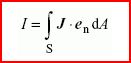
where endA is the vector surface element
NOTE 1 – The electric current through a surface is equal to the limit of the quotient of the electric charge transferred through that surface during a time interval by the duration of this interval when this duration tends to zero.
NOTE 2 – For charge carriers confined to a surface, the electric current is defined through a curve of this surface (see the note to term “lineic electric current”).
[IEV number 121-11-13]FR
courant (électrique), m
courant (de conduction), m
grandeur scalaire égale au flux de la densité de courant électrique J à travers une surface orientée donnée S:
où endA est l'élément vectoriel de surface
NOTE 1 – Le courant électrique à travers une surface est égal à la limite du quotient de la charge électrique traversant cette surface pendant un intervalle de temps par la durée de cet intervalle lorsque cette durée tend vers zéro.
NOTE 2 – Pour des porteurs de charge confinés sur une surface, le courant électrique est défini à travers une courbe de cette surface (voir la note au terme "densité linéique de courant").
[IEV number 121-11-13]Тематики
- электротехника, основные понятия
Синонимы
EN
DE
- (elektrische) Stromstärke
- Leitungsstromstärke
- Stromstärke, (elektrische)
FR
Немецко-русский словарь нормативно-технической терминологии > (elektrische) Stromstärke
-
52 Leitungsstromstärke
ток проводимости
Явление направленного движения свободных носителей электрического заряда в веществе или в пустоте, количественно характеризуемое скалярной величиной, равной производной по времени от электрического заряда, переносимого свободными носителями заряда сквозь рассматриваемую поверхность.
[ ГОСТ Р 52002-2003]EN
(electric) current
(conduction) current
scalar quantity equal to the flux of the electric current density J through a given directed surface S:
where endA is the vector surface element
NOTE 1 – The electric current through a surface is equal to the limit of the quotient of the electric charge transferred through that surface during a time interval by the duration of this interval when this duration tends to zero.
NOTE 2 – For charge carriers confined to a surface, the electric current is defined through a curve of this surface (see the note to term “lineic electric current”).
[IEV number 121-11-13]FR
courant (électrique), m
courant (de conduction), m
grandeur scalaire égale au flux de la densité de courant électrique J à travers une surface orientée donnée S:
où endA est l'élément vectoriel de surface
NOTE 1 – Le courant électrique à travers une surface est égal à la limite du quotient de la charge électrique traversant cette surface pendant un intervalle de temps par la durée de cet intervalle lorsque cette durée tend vers zéro.
NOTE 2 – Pour des porteurs de charge confinés sur une surface, le courant électrique est défini à travers une courbe de cette surface (voir la note au terme "densité linéique de courant").
[IEV number 121-11-13]Тематики
- электротехника, основные понятия
Синонимы
EN
DE
- (elektrische) Stromstärke
- Leitungsstromstärke
- Stromstärke, (elektrische)
FR
Немецко-русский словарь нормативно-технической терминологии > Leitungsstromstärke
-
53 Stromstärke, (elektrische)
ток проводимости
Явление направленного движения свободных носителей электрического заряда в веществе или в пустоте, количественно характеризуемое скалярной величиной, равной производной по времени от электрического заряда, переносимого свободными носителями заряда сквозь рассматриваемую поверхность.
[ ГОСТ Р 52002-2003]EN
(electric) current
(conduction) current
scalar quantity equal to the flux of the electric current density J through a given directed surface S:
where endA is the vector surface element
NOTE 1 – The electric current through a surface is equal to the limit of the quotient of the electric charge transferred through that surface during a time interval by the duration of this interval when this duration tends to zero.
NOTE 2 – For charge carriers confined to a surface, the electric current is defined through a curve of this surface (see the note to term “lineic electric current”).
[IEV number 121-11-13]FR
courant (électrique), m
courant (de conduction), m
grandeur scalaire égale au flux de la densité de courant électrique J à travers une surface orientée donnée S:
où endA est l'élément vectoriel de surface
NOTE 1 – Le courant électrique à travers une surface est égal à la limite du quotient de la charge électrique traversant cette surface pendant un intervalle de temps par la durée de cet intervalle lorsque cette durée tend vers zéro.
NOTE 2 – Pour des porteurs de charge confinés sur une surface, le courant électrique est défini à travers une courbe de cette surface (voir la note au terme "densité linéique de courant").
[IEV number 121-11-13]Тематики
- электротехника, основные понятия
Синонимы
EN
DE
- (elektrische) Stromstärke
- Leitungsstromstärke
- Stromstärke, (elektrische)
FR
Немецко-русский словарь нормативно-технической терминологии > Stromstärke, (elektrische)
-
54 eigentlich
I Adj. nur attr.1. (wirklich) actual, real; Beweggründe: auch true; (genau) specific; eigentliche Ursache eines Übels: root cause; der eigentliche Vorteil besteht doch darin, dass... the real advantage is that...; im eigentlichen Sinne ( des Wortes) in the true sense (of the word)2. (ursprünglich) Absicht, Grund, Plan etc.: originalII Adv.1. (in Wirklichkeit) actually, really; eigentlich heißt er Manfred his real name’s Manfred; eigentlich ist er ganz vernünftig he’s actually quite sensible, I suppose he’s quite sensible, really; eigentlich kann ich ihn nicht ausstehen to be honest ( oder to tell you the truth), I can’t stand him2. (genau genommen) strictly speaking; (von Rechts wegen) by rights; eigentlich nicht / schon, aber... (well) not / yes really, but...; eigentlich bin ich froh darüber actually I’m quite pleased about it; eigentlich sollten sie schon längst hier sein they really ought to ( oder should) be here by now3. vorwurfsvoll: anyway; was wollen Sie eigentlich? what do you want anyway?, what do you actually want?; das hättest du mir eigentlich sagen müssen you really ought to have told me; was hast du dir eigentlich dabei gedacht? what on earth were you thinking of?4. (übrigens) by the way; wie spät ist es eigentlich? what time is it(, by the way)?; hast du das eigentlich gewusst? did you know (about) that?; was ist eigentlich passiert? what actually ( oder exactly) happened?5. (vermutlich) probably; das müsste jetzt eigentlich reichen that will probably be enough, that should do it6. (ursprünglich) originally; eigentlich wollte ich früher hier sein I was (actually) hoping to be here earlier* * *actual (Adj.); in fact (Adv.); intrinsic (Adj.); real (Adj.); virtual (Adj.); actually (Adv.)* * *ei|gent|lich ['aigntlɪç]1. adj(= wirklich, tatsächlich) real, actual; Wert true, real; (= ursprünglich) originalim éígentlichen Sinne bedeutet das... — that really means...
im éígentlichen Sinne des Wortes... — in the original meaning of the word...
2. advactually; (= tatsächlich, wirklich) really; (= überhaupt) anywayéígentlich wollte ich nur fünf Minuten bleiben — actually I was only or I was really only going to stay five minutes
was willst du éígentlich hier? — what do you want here anyway?
wissen Sie éígentlich, wer ich bin? — do you know who I am?
was ist éígentlich mit dir los? — what's the matter with you (anyway)?
ich bin éígentlich froh, dass... — really or actually I'm happy that...
éígentlich müsstest du das wissen — you should really know that
éígentlich dürftest du das nicht tun — you shouldn't really do that
* * *1) (in fact: Actually, I'm doing something else this evening.) actually2) (more or less, though not strictly speaking; in effect: He was virtually penniless.) virtually3) (rightfully: By rights, I ought to be in charge of this department.) by right(s)* * *ei·gent·lich[ˈaign̩tlɪç]I. adj1. (wirklich, tatsächlich) realder \eigentliche Wert the real [or true] valuejds \eigentliches Wesen sb's true nature2. (ursprünglich) originalim \eigentlichen Sinne des Wortes in the original meaning of the wordII. adv1. (normalerweise) reallydas müsstest du doch \eigentlich wissen! you really ought to [or should] know that!da hast du \eigentlich recht you may be right there\eigentlich schon theoretically [yes]2. (wirklich) actuallyich bin \eigentlich nicht müde I'm not actually tiredwas fällt dir \eigentlich ein! what [on earth] do you think you're doing!was wollen Sie \eigentlich hier? what do you [actually] [or [exactly] do you] want here?wie reden Sie \eigentlich mit mir! how dare you talk to me like that!was ist \eigentlich mit dir los? what [on earth] is wrong [or fam up] with you?wie alt bist du \eigentlich? [exactly [or just]] how old are you?* * *1.2.das Eigentliche — the essential thing
Adverb (tatsächlich, genaugenommen) actually; reallyeigentlich müsste ich ja jetzt gehen, aber... — really, I ought to go now, but...
3.es ist eigentlich schade, dass... — actually, it's a pity that...
wann erscheint eigentlich der letzte Band? — tell me, when will the last volume come out
* * *A. adj nur attreigentliche Ursache eines Übels: root cause;der eigentliche Vorteil besteht doch darin, dass … the real advantage is that …;im eigentlichen Sinne (des Wortes) in the true sense (of the word)B. adv1. (in Wirklichkeit) actually, really;eigentlich heißt er Manfred his real name’s Manfred;eigentlich ist er ganz vernünftig he’s actually quite sensible, I suppose he’s quite sensible, really;eigentlich kann ich ihn nicht ausstehen to be honest ( oder to tell you the truth), I can’t stand himeigentlich nicht/schon, aber … (well) not/yes really, but …;eigentlich bin ich froh darüber actually I’m quite pleased about it;3. vorwurfsvoll: anyway;was wollen Sie eigentlich? what do you want anyway?, what do you actually want?;das hättest du mir eigentlich sagen müssen you really ought to have told me;was hast du dir eigentlich dabei gedacht? what on earth were you thinking of?4. (übrigens) by the way;wie spät ist es eigentlich? what time is it(, by the way)?;hast du das eigentlich gewusst? did you know (about) that?;was ist eigentlich passiert? what actually ( oder exactly) happened?5. (vermutlich) probably;das müsste jetzt eigentlich reichen that will probably be enough, that should do it6. (ursprünglich) originally;eigentlich wollte ich früher hier sein I was (actually) hoping to be here earlier* * *1. 2.Adverb (tatsächlich, genaugenommen) actually; reallyeigentlich müsste ich ja jetzt gehen, aber... — really, I ought to go now, but...
3.es ist eigentlich schade, dass... — actually, it's a pity that...
wann erscheint eigentlich der letzte Band? — tell me, when will the last volume come out
* * *adj.actual adj.intrinsic adj.virtual adj. adv.actually adv.in a manner of speaking expr.rather adv.virtually adv. -
55 nichts
- {nil} - {nix} chú ý!, hãy cẩn thận!, hãy coi chừng! - {none} không chút nào, tuyệt không = nichts tun {to twiddle one's thumbs}+ = nichts als {mere}+ = gar nichts {not a drag; not a thing; nothing at all}+ = noch nichts {nothing yet}+ = fast nichts {hardly anything; next to nothing; scarcely anything}+ = nichts davon {none of that}+ = macht nichts {no problem}+ = das macht nichts {that doesn't matter}+ = das taugt nichts {it won't wash}+ = macht nichts! {never mind!}+ = es hilft nichts {it is useless}+ = gar nichts wert {not worth a hoot}+ = nichts zu leben {nothing to live upon}+ = es macht nichts {I don't mind}+ = es nützt nichts {it's no use}+ = das führt zu nichts {that will get you nowhere; that will lead to nothing}+ = das macht nichts aus {it doesn't matter}+ = nichts blieb ganz {nothing was left whole}+ = alles oder nichts {full monty}+ = so gut wie nichts {next to nothing}+ = es ist nichts los {there is nothing doing}+ = das geht ihn nichts an {that is no business of his}+ = das geht uns nichts an {that is not our province}+ = daraus wird nichts! {nothing doing!}+ = es macht nichts aus {it makes no odds}+ = es nützt mir nichts {it is of no use to me}+ = er taugt gar nichts {he is not worth his salt}+ = das hat nichts auf sich {there is nothing in it}+ = das nützt ihnen nichts! {that's no advantage to you!}+ = das geht dich nichts an {that's no business of yours}+ = das geht mich nichts an {my withers are unwrung; this is no concern of mine}+ = er hält nichts davon {he thinks nothing of it}+ = es macht nichts wenn {there's no harm if}+ = es bringt nichts ein {it doesn't pay}+ = das macht mir nichts aus {that's nothing to me}+ = ich kann nichts dafür {I can't help it}+ = ich weiß nichts davon {I don't know anything about it}+ = es ist nichts mehr da {there is nothing left}+ = er hat nichts zu sagen {he has no say}+ = es ist gar nichts wert {it's not worth a rush}+ = ich finde nichts dabei {I see nothing wrong in it; it seems all right to me}+ = von nichts kommt nichts {there is no smoke without fire}+ = nichts tun bringt nichts {that won't get the baby a new pair of socks}+ = ich kann nichts dafür, daß {it's not my fault that}+ = es bleibt nichts übrig als {there is nothing for it but}+ = ich dachte mir nichts dabei {I meant no harm by it}+ = ich will nichts davon hören {I won't hear of it}+ = es liegt nichts gegen ihn vor {there is no charge against him}+ = es liegt mir nichts mehr daran {I don't care any more}+ = sie macht sich gar nichts aus ihm {she does not care twopence for him}+ -
56 außer
I Präp. (+ Dat)1. (Ggs. in) out of; außer Reichweite out of ( oder beyond) reach; außer Sichtweite / Atem / Gefahr / Betrieb / Frage etc. out of sight / breath / danger / order / the question etc.; außer Haus sein / essen be / eat out; Land2. außer sich sein be beside o.s. ( vor with); außer sich geraten lose control over o.s.; umg. flip one’s lid, go mad3. (abgesehen von) apart from, bes. Am. aside from; except (for); alle / niemand außer mir all / no-one except ( oder but) me; außer ihr kenne ich keine Künstler I don’t know any artists other than ( oder apart from) her; täglich außer montags every day except (for) Mondays; sie geht nicht gern aus, außer zum Tanzen she doesn’t like to go out much, apart from dancing4. (zusätzlich zu) besides, in addition to; außer Spanisch spricht sie auch noch Russisch und Polnisch as well as Spanish she also speaks Russian and Polish; außer Pamela und Pia kommt auch noch Eva as well as Pamela and Pia, Eva’s coming tooII Konj.: außer ( wenn) unless; außer dass except that, apart from the fact that; seine Theorie versteht niemand außer er selbst no one can understand his theory except him, he is the only one who understands his theory* * *aside from (Präp.); save (Präp.); short of (Präp.); beyond (Präp.); apart from (Präp.); except for (Präp.); besides (Präp.); but (Konj.); excepting (Präp.); except (Präp.); out of (Präp.); outside of (Präp.)* * *au|ßer ['ausɐ]1. prep +dat or (rare) gen1) (räumlich) out ofáúßer Haus or Hauses sein/essen — to be/eat out
áúßer Atem — out of breath
See:→ Achtáúßer ihm habe ich keine Verwandten mehr — I have no relatives left apart from him or left but him
3) (= zusätzlich zu) in addition to2. conjexceptáúßer dass... — except that...
áúßer wenn... — except when...
áúßer sonntags — except Sundays
* * *1) (in addition to: Is anyone coming besides John?) besides2) (except: All bar one of the family had measles.) bar3) (except (for): no-one but me; the next road but one.) but4) (leaving out; not including: They're all here except him; Your essay was good except that it was too long.) except5) (excluding: That is the price of the meal exclusive of service charge.) exclusive of6) (except: There was no-one there other than an old woman.) other than7) (having none left: She is quite out of breath.) out of8) (except: All save him had gone; We have no news save that the ship reached port safely.) save* * *au·ßer[ˈausɐ]1. (abgesehen von) apart from, except for\außer dir waren alle auf dem Fest everyone was at the party but [or apart from] you2. (zusätzlich zu) in addition to, apart from\außer ihrer eigenen Arbeit musste sie noch die seinige erledigen she had to do his work as well as her own3. (nicht in) out of\außer Betrieb/Sicht/Gefahr sein to be out of order/sight/danger4.II. konj▪ \außer dass except that▪ \außer [wenn] except [when]* * *1.1) auch mit Gen. (außerhalb) out of2) (abgesehen von) apart fromalle außer mir — all except [for] me
3) (zusätzlich zu) in addition to2.etwas außer jeden Zweifel stellen — make something very clear or clear beyond all doubt
3.außer sich geraten — become beside oneself (vor + Dat. with)
Konjunktion s. ausgenommen4.Adverb except* * *A. präp (+dat)1. (Ggs in) out of;außer Reichweite out of ( oder beyond) reach;außer Sichtweite/Atem/Gefahr/Betrieb/Frage etc out of sight/breath/danger/order/the question etc;2.außer sich sein be beside o.s. (vor with);alle/niemand außer mir all/no-one except ( oder but) me;täglich außer montags every day except (for) Mondays;sie geht nicht gern aus, außer zum Tanzen she doesn’t like to go out much, apart from dancing4. (zusätzlich zu) besides, in addition to;außer Spanisch spricht sie auch noch Russisch und Polnisch as well as Spanish she also speaks Russian and Polish;außer Pamela und Pia kommt auch noch Eva as well as Pamela and Pia, Eva’s coming tooB. konj:außer (wenn) unless;außer dass except that, apart from the fact that;seine Theorie versteht niemand außer er selbst no one can understand his theory except him, he is the only one who understands his theoryaußer… im adj extra(-)…* * *1.1) auch mit Gen. (außerhalb) out ofaußer sich sein — be beside oneself (vor + Dat. with)
2) (abgesehen von) apart fromalle außer mir — all except [for] me
3) (zusätzlich zu) in addition to2.etwas außer jeden Zweifel stellen — make something very clear or clear beyond all doubt
3. 4.außer sich geraten — become beside oneself (vor + Dat. with)
Adverb except* * *adj.outside adj. adv.except (for) adv.except adv.save adv. präp.beside prep.besides prep. -
57 Bemühung
f1. effort(s Pl.) (um towards, Am. auch toward); meist negativer gesehen: trouble; alle seine Bemühungen waren umsonst he went to all that trouble ( oder effort) for nothing; vielen Dank für Ihre ( freundlichen) Bemühungen thank you for (all) your help2. auf Arzt- und Anwaltsrechnungen: für meine Bemühungen erlaube ich mir, Ihnen 100 Euro zu berechnen for my efforts I beg to charge you 100 euros* * *die Bemühungeffort; attempt* * *Be|mü|hungf -, -eneffort, endeavour (Brit), endeavor (US)vielen Dank für Ihre (freundlichen) Bemǘhungen (form) — thank you for your efforts or trouble
* * *(an attempt (to obtain): a bid for freedom.) bid* * *Be·mü·hung<-, -en>ftrotz aller \Bemühungen despite all effortsdanke für Ihre \Bemühungen thank you for your trouble2. pl services* * *die; Bemühung, Bemühungen effort; endeavouralle Bemühungen waren vergeblich — all efforts were in vain
trotz aller Bemühungen — in spite of or despite all our/his etc. efforts
* * *Bemühung f1. effort(s pl) (alle seine Bemühungen waren umsonst he went to all that trouble ( oder effort) for nothing;vielen Dank für Ihre (freundlichen) Bemühungen thank you for (all) your helpfür meine Bemühungen erlaube ich mir, Ihnen 100 Euro zu berechnen for my efforts I beg to charge you 100 euros* * *die; Bemühung, Bemühungen effort; endeavourtrotz aller Bemühungen — in spite of or despite all our/his etc. efforts
* * *-en f.effort n.endeavour n. -
58 grün
Adj.1. green; die Ampel ist grün the lights are green, it’s green; die Grüne Insel (Irland) the Emerald Isle; grüner Salat lettuce; grüne Versicherungskarte MOT. green card; grüne Weihnachten snow-free Christmas; grün und blau schlagen oder dreschen umg. beat s.o. black and blue; Minna, Welle etc.2. (unreif) green, unripe; fig. Person: green, (still) wet behind the ears; die Bananen etc. sind noch zu grün aren’t ripe yet; grüner Junge greenhorn3. (nicht getrocknet) Holz: green, unseasoned; Erbsen etc. green, fresh; (nicht konserviert) Heringe etc.: fresh; grüne Bohnen green beans; Aal grün stewed eel4. POL. green, eco-friendly; grüne Politik / Standpunkte green policy / views; grüner Punkt green dot, on packaging to indicate that a charge for disposal has been paid; grün wählen vote green5. fig.: ( noch) im grünen Bereich umg. (still) all clear, (still) normal; alles im grünen Bereich! umg. I am ( oder we are etc.) doing fine, it’s all hunky-dory; grüne Grenze open border; über die grüne Grenze gehen umg. cross the border illegally; grüne Hölle (Urwald) jungle; jemandem grünes Licht geben give s.o. the green light ( oder go-ahead oder umg. thumbs up); grüne Lunge green lung; grün vor Neid green with envy; ach du grüne Neune! umg. well I’m blowed (Am. I’ll be darned), strike me pink altm.; grüner Star MED. glaucoma; auf der grünen Wiese greenfield..., on a greenfield site; sich grün und blau ärgern umg. be livid, get really worked up; ich hab mich grün und blau geärgert (über mich selbst) I could have kicked myself; ich komme auf keinen grünen Zweig umg. I’m just not getting anywhere; er wird nie auf einen grünen Zweig kommen umg. he’ll never get anywhere in life; sie ist mir nicht grün umg. she doesn’t like me; Tisch 4, Witwe 1* * *das Grüngreen* * *[gryːn]nt -s, - or (inf) -sgreen; (= Grünflächen) green spaces pl; (GOLF) green; (CARDS = Pik) spades pldas ist dasselbe in Grǘn (inf) — it's (one and) the same (thing)
* * *1) (of the colour of growing grass or the leaves of most plants: a green hat.) green2) (looking as if one is about to be sick; very pale: He was green with envy (= very jealous).) green3) (the colour of grass or the leaves of plants: the green of the trees in summer.) green* * *[ˈgry:n]nt1. (Farbe) greenein grelles/schreiendes \Grün a bright/garish green\Grün haben to be [at [or on]] greendie Ampel zeigt \Grün the [traffic] lights are [at [or on]] green2. (Grünflächen) green spaces [or areas]ein \Grün am Golfplatz a green on a/the golf course3. (grüne Pflanzen) greenerydas erste \Grün nach dem Winter the first green shoots of spring5.* * *das; Grüns, Grün od. (ugs.) Grüns1) greendie Ampel zeigt Grün — the lights pl. are at green
das ist dasselbe in Grün — (ugs.) it makes or there is no real difference
2) o. Pl. (Pflanzen) greenery3) (Golf) green* * *grün adj1. green;die Ampel ist grün the lights are green, it’s green;die Grüne Insel (Irland) the Emerald Isle;grüner Salat lettuce;grüne Versicherungskarte AUTO green card;grüne Weihnachten snow-free Christmas;die Bananen etcsind noch zu grün aren’t ripe yet;grüner Junge greenhorn3. (nicht getrocknet) Holz: green, unseasoned; Erbsen etc green, fresh; (nicht konserviert) Heringe etc: fresh;grüne Bohnen green beans;Aal grün stewed eel4. POL green, eco-friendly;grüne Politik/Standpunkte green policy/views;5. fig:grüne Grenze open border;über die grüne Grenze gehen umg cross the border illegally;grüne Hölle (Urwald) jungle;grüne Lunge green lung;grün vor Neid green with envy;grüner Star MED glaucoma;auf der grünen Wiese greenfield …, on a greenfield site;sich grün und blau ärgern umg be livid, get really worked up;ich hab mich grün und blau geärgert (über mich selbst) I could have kicked myself;ich komme auf keinen grünen Zweig umg I’m just not getting anywhere;er wird nie auf einen grünen Zweig kommen umg he’ll never get anywhere in life;* * *das; Grüns, Grün od. (ugs.) Grüns1) greendie Ampel zeigt Grün — the lights pl. are at green
das ist dasselbe in Grün — (ugs.) it makes or there is no real difference
2) o. Pl. (Pflanzen) greenery3) (Golf) green* * *nur sing. n.green n.verdure n. -
59 Mann
m; -(e)s, Männer1. man (Pl. men); Mann für Mann one after the other; ein Gespräch von Mann zu Mann oder unter Männern a man-to-man talk; ein Kampf Mann gegen Mann a man-to-man ( oder hand-to-hand) fight; wie ein Mann (geschlossen) as one; sprechen etc.: with one voice; bis auf den letzten Mann to a man; es wie ein Mann ertragen take it like a man; der dritte Mann Skat: the third player; da sind wir an den rechten Mann gekommen he’s the (right) man for us; Sie sind unser Mann! you’re our man, you’re the man for us; er ist ein Mann der Tat he’s a man of action; ein Mann der Feder geh. a man of letters; ein Mann von Welt a man of the world; ein Mann von Wort a man of his word; 10 Euro pro Mann umg. 10 euros each ( oder per head); Bord1, lieb I 4, selbst I 1, schwarz I 2, stark I 1, tot 1 etc.2. Pl. Mann; bes. NAUT. UND nach Zahlen: alle Mann an Deck! NAUT. all hands on deck; mit Mann und Maus untergehen NAUT. go down with all hands; die Maschine hat fünf Mann Besatzung the aircraft has a crew of five; alle Mann hoch umg. the whole lot of us ( oder them); wir waren drei Mann hoch umg. there were three of us; alle Mann mitmachen! come on, everyone!; wir brauchen drei Mann we need three men ( oder people)3. (Ehemann) husband; als oder wie Mann und Frau leben live as husband and wife; Mann und Frau werden geh. become husband and wife; an den Mann bringen umg., hum. (Tochter) marry off, find a husband for4. SPORT (Spieler) player, man; freier Mann Fußball: free man; den freien Mann anspielen / suchen pass to / look for the player in space; Mann decken Ballspiele: mark (Am. guard) man-to-man; an / in den Mann gehen bes. Fußball: go in hard5. fig., in Wendungen: der Mann auf der Straße the man in the street, the ordinary man; Manns genug sein für etw. be man enough for ( oder to do) s.th.; an den Mann bringen (Ware) find a buyer for; umg. (Witz etc.) find an audience for; (Meinung) get across; seinen Mann stehen (sich behaupten) hold one’s own, stand one’s ground; (ganze Arbeit leisten) do a fine job; seinen Mann gefunden haben have found one’s match; ein Mann, ein Wort a promise is a promise; einen kleinen Mann im Ohr haben umg. be off one’s rocker; Mann Gottes! umg. for God’s sake!; Mann! umg. wow!; auch sich beschwerend: umg. hey!; oh Mann! umg., verblüfft, empört etc.: (oh) man!* * *der Mann(Ehemann) husband;(männliches Wesen) man; male* * *Mạnn [man]m -(e)s, -er['mɛnɐ]1) manein Überschuss an Männern — a surplus of males or men
ein Mann aus dem Volk(e) — a man of the people
der erste Mann sein (fig) — to be in charge
ein Mann der Feder/Wissenschaft — a man of letters/science
ein Mann des Todes — a dead man, a man marked for death
ein Mann von Wort — a man of his word
er ist unser Mann — he's the man for us, he's our man
er ist nicht der Mann dafür or danach — he's not the man for that
drei Mann hoch (inf) — three of them together
wie ein Mann — as a or one man
auf den Mann dressiert sein — to be trained to go for people
seinen Mann stehen — to hold one's own
einen kleinen Mann im Ohr haben (hum) — to be crazy (inf)
und ein Mann, ein Wort, er hats auch gemacht — and, as good as his word, he did it
Mann an Mann — close together, next to one another
ein Gespräch unter Männern or von Mann zu Mann — a man-to-man talk
See:2) (= Ehemann) husbandjdn an den Mann bringen (inf) — to marry sb off (inf), to find sb a husband
3) pl Leute (= Besatzungsmitglied) hand, manmit Mann und Maus untergehen — to go down with all hands; (Passagierschiff) to go down with no survivors
See:→ Bord4) pl Leute (=Teilnehmer SPORT, CARDS) player, manauf den Mann spielen — to play the ball at one's opponent; (beim Zuspielen)
den dritten Mann spielen (Cards) — to play or take the third hand
5) (inf als Interjektion) (my) God (inf); (auffordernd, bewundernd, erstaunt) (my) God (inf), hey, (hey) man (inf)Mann, das kannst du doch nicht machen! — hey, you can't do that!
Mann, oh Mann! — oh boy! (inf)
* * *der1) (a very strong, powerful man.) he-man2) (an adult male human being: Hundreds of men, women and children; a four-man team.) man3) (obviously masculine male person: He's independent, tough, strong, brave - a real man!) man* * *<-[e]s, Männer o Leute>[ˈman, pl ˈmɛnɐ]m1. (erwachsener männlicher Mensch) manein feiner \Mann a [perfect] gentlemanein \Mann von Format/Welt a man of high calibre [or AM -er]/of the worldein ganzer \Mann a real [or every inch a] manjunger \Mann! young man!der \Mann jds Lebens sein to be sb's ideal manein \Mann schneller Entschlüsse/der Tat/weniger Worte a man of quick decisions/of action/of few wordsein \Mann aus dem Volk[e] a man of the [common] peopleein \Mann von Wort (geh) a man of his word2. (Ehemann)eine Frau an den \Mann bringen (fam) to marry off a woman sep fam or a. pej, to find a woman a husbandjds zukünftiger \Mann sb's future husbandjdn zum \Mann haben to be sb's wife3. (Person) manein \Mann vom Fach an expert\Mann für \Mann every single one\Mann gegen \Mann man against man[genau] jds \Mann sein to be [just] sb's mander richtige \Mann am richtigen Ort the right man for the jobein \Mann der Praxis a practised [or AM -iced] [or an old] handpro \Mann per headwie ein \Mann as one man4. NAUT man, handalle \Mann an Bord! all aboard!alle \Mann an Deck! all hands on deck!alle \Mann an die Taue! all hands heave to!\Mann über Bord! man overboard!mit \Mann und Maus untergehen (fam) to go down with all hands5. KARTEN, SPORT playerauf den \Mannspielen to play the ball at one's opponent\Mann Gottes! God [Almighty]!o \Mann! oh hell! fam7.seine Witze an den \Mann bringen to find an audience for one's jokes▶ \Manns genug sein, etw zu tun to be man enough to do sth▶ der kleine \Mann (fam: einfacher Bürger) the common [or ordinary] man, Joe Bloggs BRIT, John Doe AM; (sl: Penis) Johnson sl, BRIT a. John Thomas sl▶ einen kleinen \Mann im Ohr haben (hum fam) to have bats in one's belfry dated fam, to be crazy fam▶ der \Mann im Mond the man in the moon▶ selbst ist der \Mann! there's nothing like doing things [or it] yourself▶ seinen/ihren \Mann stehen to hold one's own* * *der; Mann[e]s, Männer; s. auch Mannen1) manein Mann, ein Wort — a man's word is his bond
der geeignete od. richtige Mann sein — be the right man
der böse od. schwarze Mann — the bogy man
auf den Mann dressiert sein — < dog> be trained to attack people
[mein lieber] Mann! — (ugs.) (überrascht, bewundernd) my goodness!; (verärgert) for goodness sake!
du hast wohl einen kleinen Mann im Ohr — (salopp) you must be out of your tiny mind (sl.)
etwas an den Mann bringen — (ugs.): (verkaufen) flog something (Brit. sl.); push something (Amer.); find a taker/takers for something
Kämpfe od. der Kampf Mann gegen Mann — hand-to-hand fighting
von Mann zu Mann — [from] man to man
2) (Besatzungsmitglied) manmit 1 000 Mann Besatzung — with a crew of 1,000 [men]
alle Mann an Deck! — (Seemannsspr.) all hands on deck!
Mann über Bord! — (Seemannsspr.) man overboard!
3) (Teilnehmer)uns fehlt der dritte/vierte Mann zum Skatspielen — we need a third/fourth person or player for a game of skat
4) (Ehemann) husband* * *1. man (pl men);Mann für Mann one after the other;unter Männern a man-to-man talk;bis auf den letzten Mann to a man;es wie ein Mann ertragen take it like a man;der dritte Mann Skat: the third player;da sind wir an den rechten Mann gekommen he’s the (right) man for us;Sie sind unser Mann! you’re our man, you’re the man for us;er ist ein Mann der Tat he’s a man of action;ein Mann der Feder geh a man of letters;ein Mann von Welt a man of the world;ein Mann von Wort a man of his word;10 Euro pro Mann umg 10 euros each ( oder per head); → Bord1, lieb A 4, selbst A 1, schwarz A 2, stark A 1, tot 1 etcalle Mann an Deck! SCHIFF all hands on deck;mit Mann und Maus untergehen SCHIFF go down with all hands;die Maschine hat fünf Mann Besatzung the aircraft has a crew of five;wir waren drei Mann hoch umg there were three of us;alle Mann mitmachen! come on, everyone!;wir brauchen drei Mann we need three men ( oder people)3. (Ehemann) husband;wie Mann und Frau leben live as husband and wife;Mann und Frau werden geh become husband and wife;an den Mann bringen umg, hum (Tochter) marry off, find a husband forfreier Mann Fußball: free man;den freien Mann anspielen/suchen pass to/look for the player in space;an/in den Mann gehen besonders Fußball: go in hardder Mann auf der Straße the man in the street, the ordinary man;Manns genug sein für etwas be man enough for ( oder to do) sth;an den Mann bringen (Ware) find a buyer for; umg (Witz etc) find an audience for; (Meinung) get across;seinen Mann stehen (sich behaupten) hold one’s own, stand one’s ground; (ganze Arbeit leisten) do a fine job;seinen Mann gefunden haben have found one’s match;ein Mann, ein Wort a promise is a promise;Mann Gottes! umg for God’s sake!;oh Mann! umg, verblüfft, empört etc: (oh) man!* * *der; Mann[e]s, Männer; s. auch Mannen1) manein Mann, ein Wort — a man's word is his bond
der geeignete od. richtige Mann sein — be the right man
der böse od. schwarze Mann — the bogy man
auf den Mann dressiert sein — < dog> be trained to attack people
[mein lieber] Mann! — (ugs.) (überrascht, bewundernd) my goodness!; (verärgert) for goodness sake!
du hast wohl einen kleinen Mann im Ohr — (salopp) you must be out of your tiny mind (sl.)
etwas an den Mann bringen — (ugs.): (verkaufen) flog something (Brit. sl.); push something (Amer.); find a taker/takers for something
Kämpfe od. der Kampf Mann gegen Mann — hand-to-hand fighting
von Mann zu Mann — [from] man to man
2) (Besatzungsmitglied) manmit 1 000 Mann Besatzung — with a crew of 1,000 [men]
alle Mann an Deck! — (Seemannsspr.) all hands on deck!
Mann über Bord! — (Seemannsspr.) man overboard!
3) (Teilnehmer)uns fehlt der dritte/vierte Mann zum Skatspielen — we need a third/fourth person or player for a game of skat
4) (Ehemann) husband* * *¨-- m.husband n.man n.(§ pl.: men) -
60 Unter
I Präp. (+ Dat)1. under, below; (bes. direkt unter) underneath; unter... hervor from under...; unter 21 ( Jahren) under 21 (years of age); unter zehn Euro under ( oder less than) ten euros; unter seiner Regierung under ( oder during) his reign; unter sich haben (Angestellte, Abteilung etc.) be in charge of; Land unter! land under water!2. (zwischen) among; einer unter vielen one of many; nicht einer unter hundert not one in a hundred; unter anderem (u.a.) among other things3. unter Beifall amid applause; unter Tränen in tears, tearfully; unter großem Gelächter amid gales of laughter5. unter diesem Gesichtspunkt from this point of view; was versteht man unter...? what is meant by...?; Kritik, Würde, uns etc.II Präp. (+ Akk) under; die Temperaturen sanken unter den Gefrierpunkt the temperatures dropped below freezing point; wir mischten uns unter die Menge we mixed with the crowd; etw. unter die Leute bringen (Neuigkeit etc.) spread s.th.* * *nether (Adj.); lower (Adj.);* * *ụn|ter ['ʊntɐ]prep1) +dat (= unterhalb von) under; (= drunter) underneath, below; (Unterordnung ausdrückend) under; (= zwischen, innerhalb) among(st); (= weniger, geringer als) under, belowunter 18 Jahren/EUR 50 — under 18 years (of age)/50 euros
Städte unter 10.000 Einwohner(n) — towns with a population of under or below 10,000
unter anderem — among other things, inter alia (form)
2) +acc underbis unter das Dach voll mit... — full to bursting with...
* * *1) (in shares or parts to each person (in a group etc): Divide the chocolate amongst you.) among2) (in shares or parts to each person (in a group etc): Divide the chocolate amongst you.) amongst3) (lower in position, rank, standard etc than: She hurt her leg below the knee; His work is below standard.) below4) (in a lower position than; under; below: beneath the floorboards; beneath her coat.) beneath5) (not worthy of: It is beneath my dignity to do that.) beneath6) (in or to a position lower than, or covered by: Your pencil is under the chair; Strange plants grow under the sea.) under7) (subject to the authority of: As a foreman, he has about fifty workers under him.) under8) (used to express various states: The fort was under attack; The business improved under the new management; The matter is under consideration/discussion.) under9) (at or to a lower position (than); beneath: She was standing underneath the light; Have you looked underneath the bed?) underneath* * *un·ter[ˈʊntɐ]I. präp\unter der Jacke trug sie ein T-Shirt she wore a t-shirt under the jacket\unter freiem Himmel in the open airetw \unter dem Mikroskop betrachten to look at sth under the microscopedas Haus war bis \unter das Dach voll mit alten Möbeln the house was full to the rafters with old furniture3. +dat (zahlen-, wertmäßig kleiner als) belowdie Temperaturen liegen hier immer \unter null the temperatures here are always below zeroder Preis liegt \unter zehn Euro the price is less than ten euros\unter dem Durchschnitt liegen to be below average\unter 50 Stück less than 50 piecesKinder \unter sechs Jahren children under six years of ageetw \unter Wert verkaufen to sell sth at less than its value\unter anderem amongst other things [or spec inter alia]einer \unter tausend one in a thousandeiner \unter vielen one of many\unter uns gesagt between you and me\unter Menschen gehen to get out [of the house]\unter der Bedingung, dass... on condition that...\unter Beifall/Gelächter/Tränen amid applause/laughter/tears\unter Lebensgefahr at risk to one's life\unter Umständen possibly\unter Verwendung einer S. gen by using sth\unter Zwang under duresswas ist \unter diesem Begriff zu verstehen? what is meant by this term?\unter diesem Datum gibt es keinen Eintrag there is no entry under this dateetw \unter ein Motto stellen to put sth under a motto\unter jds Schirmherrschaft under sb's patronage\unter Druck/Strom stehen to be under pressure\unter einer Krankheit leiden to suffer from an illness\unter Mittag in the morning\unter der Woche during the weekII. adv1. (jünger als) underer ist noch \unter 30 he's not yet turned 302. (weniger als) less than* * *1.1) (Lage, Standort, Abhängigkeit, Unterordnung) under2) (weniger, niedriger usw. als)3) during; (modal)unter Angst/Tränen — in or out of fear/in tears
4) (aus einer Gruppe) among[st]unter anderem — among[st] other things
5) (zwischen) among[st]unter uns gesagt — between ourselves or you and me
6) (Zustand) under2.unter Strom stehen — be live; s. auch Tag 1), Woche
1) (Richtung, Ziel, Abhängigkeit, Unterordnung) under3) (zwischen) among[st]3.unter Strom/Dampf setzen — switch on/put under steam
Adverb less than* * ** * *1.1) (Lage, Standort, Abhängigkeit, Unterordnung) under2) (weniger, niedriger usw. als)3) during; (modal)unter Angst/Tränen — in or out of fear/in tears
4) (aus einer Gruppe) among[st]unter anderem — among[st] other things
5) (zwischen) among[st]unter uns gesagt — between ourselves or you and me
6) (Zustand) under2.unter Strom stehen — be live; s. auch Tag 1), Woche
1) (Richtung, Ziel, Abhängigkeit, Unterordnung) under3) (zwischen) among[st]3.unter Strom/Dampf setzen — switch on/put under steam
Adverb less than* * *adj.hypo adj.inferior adj.underneath adj. adv.below adv.between adv. präp.among prep.beneath prep.nether prep.under prep.
См. также в других словарях:
charge — 1 n 1 a: something required: obligation b: personal management or supervision put the child in his charge c: a person or thing placed under the care of another 2: an authoritative instr … Law dictionary
charge — The document evidencing mortgage security required by Crown Law (law derived from English law). A Fixed Charge refers to a defined set of assets and is usually registered. A Floating Charge refers to other assets which change from time to time (… … Financial and business terms
charge — charge1 W1S1 [tʃa:dʒ US tʃa:rdʒ] n ▬▬▬▬▬▬▬ 1¦(price)¦ 2¦(control)¦ 3¦(somebody/something you look after)¦ 4¦(crime)¦ 5¦(blame)¦ 6¦(attack)¦ 7¦(effort)¦ 8¦(electricity)¦ 9¦(explosive)¦ 10¦(strength of feelings)¦ … Dictionary of contemporary English
charge — charge1 [ tʃardʒ ] noun *** ▸ 1 amount of money to pay ▸ 2 when someone is accused ▸ 3 amount of electricity ▸ 4 an attack running fast ▸ 5 amount of explosive ▸ 6 someone you take care of ▸ 7 ability to cause emotion ▸ 8 instruction to do… … Usage of the words and phrases in modern English
charge — 1 noun 1 PRICE (C, U) the amount of money you have to pay for goods or services: Gas charges will rise in July. (+ for): When you buy a suit, there is no charge for any alterations. | free of charge (=at no cost): Your order will be delivered… … Longman dictionary of contemporary English
charge */*/*/ — I UK [tʃɑː(r)dʒ] / US [tʃɑrdʒ] noun Word forms charge : singular charge plural charges 1) [countable/uncountable] an amount of money that you have to pay, especially when you visit a place or when someone does something for you You will have to… … English dictionary
Charge (warfare) — Cavalry charge redirects here. For the American football tactic, see cavalry charge (football). Charge Romanticized painting of O Higgins charge at the Battle of Rancagua during the Chilean War of Independence Era … Wikipedia
charge — I n. accusation 1) to bring, level, make a charge; to prefer, press charges 2) to concoct, cook up, fabricate, trump up a charge (they trumped up various charges against her) 3) to prove, substantiate a charge 4) to face a charge 5) to dismiss,… … Combinatory dictionary
Charge at Krojanty — Battle of Krojanty Part of the Invasion of Poland … Wikipedia
charge — {{Roman}}I.{{/Roman}} noun 1 price asked for sth ADJECTIVE ▪ heavy, high ▪ nominal, reasonable, small ▪ minimum ▪ fixed … Collocations dictionary
CHARGE syndrome — Classification and external resources Ear form characteristic of a person with CHARGE syndrome, along with her cochlear implant. OMIM 214 … Wikipedia
